

How to check the alignment accuracy of a PCB V - Cut Machine?
How to Check the Alignment Accuracy of a PCB V - Cut Machine
As a supplier of PCB V - Cut Machines, I understand the critical importance of alignment accuracy in these machines. Precise alignment is essential for producing high - quality printed circuit boards (PCBs). In this blog, I will share some effective methods to check the alignment accuracy of a PCB V - Cut Machine.
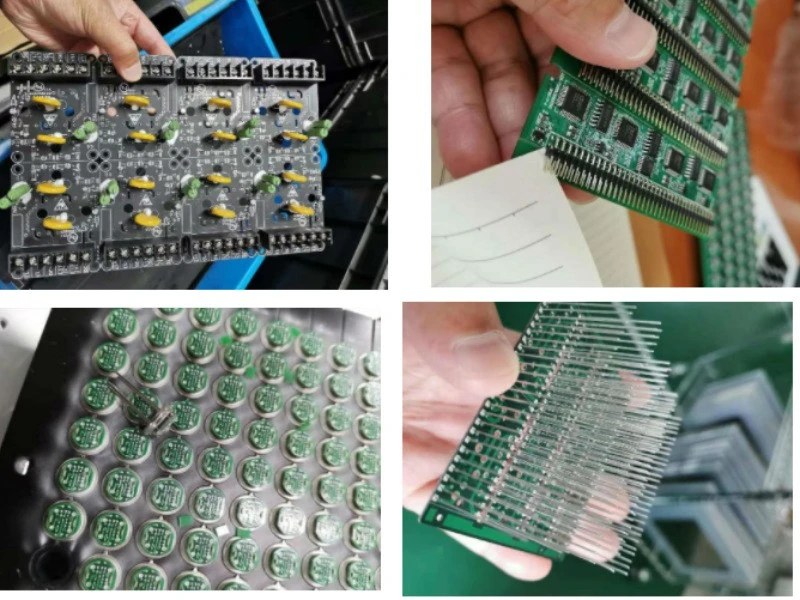

1. Understanding the Basics of PCB V - Cutting and Alignment
PCB V - cutting is a process used to separate individual PCBs from a larger panel. The V - cut is a groove cut into the PCB at a specific angle, usually 30° or 45°, which allows for easy separation of the boards later. Alignment accuracy refers to how precisely the V - cut is made in relation to the pre - defined position on the PCB. Any misalignment can lead to issues such as uneven separation, damage to the PCB components, and reduced overall quality of the final product.
2. Visual Inspection
The first and simplest method to check alignment accuracy is through visual inspection. This can be done using a magnifying glass or a microscope.
- Inspect the V - Cut Edges: Look closely at the edges of the V - cut. They should be straight and evenly spaced. Any signs of waviness, uneven depth, or jagged edges may indicate alignment problems. For example, if one side of the V - cut is deeper than the other, it could mean that the cutting blade is not properly aligned with the PCB.
- Check the Position of the V - Cut: Compare the position of the V - cut with the design specifications. Use a ruler or a measuring template to ensure that the V - cut is centered and at the correct distance from the edges of the PCB. If the V - cut is off - center, it can cause problems when the PCBs are separated.
3. Using Measurement Tools
More accurate alignment checks can be performed using specialized measurement tools.
- Calipers: Calipers can be used to measure the depth and width of the V - cut. Measure the depth at multiple points along the V - cut to ensure consistency. A variation in depth greater than the specified tolerance indicates alignment issues. For example, if the design calls for a V - cut depth of 0.5mm with a tolerance of ±0.05mm, and your measurements show a depth of 0.6mm at one point, there may be a problem with the alignment of the cutting blade.
- Coordinate Measuring Machines (CMMs): CMMs are highly accurate measurement devices that can precisely measure the position and dimensions of the V - cut. They work by using a probe to touch the surface of the PCB and record the coordinates. By comparing the measured coordinates with the design specifications, you can determine the alignment accuracy of the V - cut. However, CMMs are relatively expensive and may not be practical for all users.
4. Test Cuts on Sample PCBs
Performing test cuts on sample PCBs is an effective way to check alignment accuracy.
- Select Representative Samples: Choose sample PCBs that are representative of the production batch. They should have the same size, thickness, and material as the actual PCBs to be produced.
- Perform Multiple Cuts: Make several V - cuts on the sample PCBs at different positions. This will help you identify any patterns of misalignment. For example, if all the V - cuts on one side of the sample PCB are misaligned in the same direction, it could indicate a problem with the alignment of the machine's guide rails.
- Analyze the Results: After making the test cuts, carefully examine the PCBs using the methods described above. Look for any signs of misalignment and record the results. If the alignment accuracy is not within the acceptable range, adjustments need to be made to the machine.
5. Checking the Machine's Mechanical Components
The alignment accuracy of a PCB V - Cut Machine can also be affected by its mechanical components.
- Guide Rails: The guide rails are responsible for guiding the PCB through the cutting process. They should be clean, straight, and properly lubricated. Any dirt, debris, or damage to the guide rails can cause the PCB to move unevenly, resulting in misaligned V - cuts. Inspect the guide rails regularly and clean or replace them if necessary.
- Cutting Blade: The cutting blade is the most critical component in the V - cutting process. It should be sharp and properly installed. A dull or misaligned cutting blade can cause uneven cuts and alignment problems. Check the blade for wear and tear, and replace it if it is damaged or worn out.
- Motor and Drive System: The motor and drive system are responsible for moving the cutting blade and the PCB. They should be functioning properly and providing smooth and consistent movement. Any vibrations or jerks in the movement can affect the alignment accuracy. Check the motor and drive system for any signs of malfunction and repair or replace the faulty components as needed.
6. Software and Control System Checks
In modern PCB V - Cut Machines, the alignment is often controlled by software and a control system.
- Check the Programming: Make sure that the machine is programmed correctly with the correct dimensions and alignment parameters. Any errors in the programming can lead to misaligned V - cuts. Double - check the programming and make any necessary corrections.
- Calibrate the Control System: The control system of the machine needs to be calibrated regularly to ensure accurate alignment. Follow the manufacturer's instructions for calibrating the control system. This may involve using calibration tools or performing specific calibration procedures.
7. Importance of Regular Maintenance
Regular maintenance is crucial for maintaining the alignment accuracy of a PCB V - Cut Machine.
- Cleaning: Clean the machine regularly to remove dirt, debris, and dust. This will prevent them from affecting the movement of the mechanical components and the alignment of the V - cut.
- Lubrication: Lubricate the moving parts of the machine as recommended by the manufacturer. This will reduce friction and wear, ensuring smooth and accurate movement.
- Inspection and Replacement: Regularly inspect the machine's components for wear and tear, and replace any faulty or worn - out components. This will prevent alignment problems from occurring and extend the lifespan of the machine.
Conclusion
Checking the alignment accuracy of a PCB V - Cut Machine is a multi - step process that involves visual inspection, the use of measurement tools, test cuts, and checks of the machine's mechanical components, software, and control system. By following these methods and performing regular maintenance, you can ensure that your PCB V - Cut Machine is producing high - quality V - cuts with precise alignment.
If you are in the market for a reliable PCB V - Cut Machine, we are here to help. Our machines are designed with high - precision components and advanced control systems to ensure accurate alignment and excellent performance. We also offer Inline PCB Board Cutting Machine and PCB Machine Router for your various PCB processing needs. Contact us to discuss your requirements and explore how our products can meet your production goals.
References
- Printed Circuit Board Handbook, McGraw - Hill
- PCB Manufacturing and Assembly: Principles and Applications, Wiley