

What is the cutting force of a PCB router machine?
Hey there! As a supplier of PCB router machines, I often get asked about the cutting force of these nifty devices. So, let's dive right in and break down what the cutting force of a PCB router machine is all about.
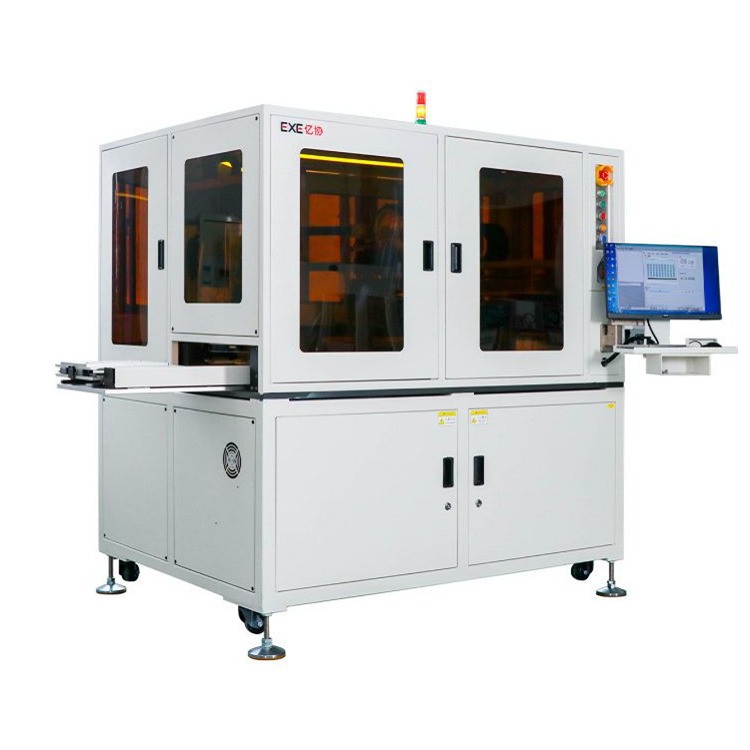
First off, what's a PCB router machine? Well, it's a key piece of equipment in the PCB manufacturing process. It's used to cut, shape, and drill printed circuit boards. Whether you're making small consumer electronics or large industrial control boards, a good PCB router machine can make the job a whole lot easier.
Now, onto the main topic - cutting force. In simple terms, the cutting force of a PCB router machine is the amount of force that the router bit applies to the PCB during the cutting process. This force is crucial because it directly affects the quality of the cut, the tool life, and the overall efficiency of the machining operation.
There are a few factors that influence the cutting force. One of the most important ones is the type of material the PCB is made of. PCBs can be made from a variety of materials, such as fiberglass, epoxy resin, and composite materials. Each material has different mechanical properties, like hardness and toughness. For example, a PCB made of a hard fiberglass material will require more cutting force compared to one made of a softer epoxy resin.
The speed of the router bit also plays a big role. If the bit is spinning too slowly, it might not be able to cut through the PCB effectively, and this can lead to a rough cut and increased cutting force. On the other hand, if the bit is spinning too fast, it can cause overheating, which can damage the PCB and the router bit itself. So, finding the right speed is crucial for minimizing the cutting force and getting a clean cut.
The feed rate is another factor. The feed rate is how fast the PCB moves under the router bit. If the feed rate is too high, the router bit might not be able to keep up, and this can result in a higher cutting force and a poor-quality cut. A lower feed rate generally means a smoother cut, but it also takes longer to complete the job. So, it's all about finding that sweet spot between speed and quality.
The geometry of the router bit is also important. Different bit shapes and sizes are designed for different cutting tasks. For example, a straight bit is great for making straight cuts, while a V-bit is better for making angled cuts. The right bit geometry can help reduce the cutting force and improve the cutting efficiency.

Now, why does the cutting force matter so much? Well, for starters, it affects the quality of the PCB. A high cutting force can cause the PCB to vibrate, which can lead to uneven cuts, chipping, and delamination. This can make the PCB unusable and increase the production cost.
It also affects the tool life. When the cutting force is too high, it puts more stress on the router bit, which can cause it to wear out faster. This means you'll have to replace the bit more often, which can be expensive and time-consuming.
Moreover, the cutting force can impact the overall productivity of the manufacturing process. If the cutting force is too high, the machine might have to operate at a slower speed to avoid damage, which can slow down the production line.
As a supplier of PCB router machines, we understand the importance of optimizing the cutting force. That's why our machines are designed with advanced control systems that can adjust the speed, feed rate, and other parameters in real-time to minimize the cutting force and ensure a high-quality cut.
If you're in the market for a PCB router machine, we've got some great options for you. Check out our Online PCB Cutting Machine. It's a high-performance machine that's perfect for large-scale production. It's equipped with a powerful motor and advanced control system to ensure precise and efficient cutting.
We also have the PCBA Router Drilling and Routing Machine. This desktop machine is great for small to medium-sized businesses. It's easy to use and offers a high level of precision and flexibility.
And for those who need to depanelize circuit boards, our Circuit Board Depanelizer is the perfect solution. It can quickly and accurately separate PCBs from the panel, with minimal cutting force and high efficiency.
If you're interested in learning more about our PCB router machines or have any questions about cutting force, feel free to reach out to us. We're always happy to help you find the right machine for your needs and provide you with the support you need to optimize your manufacturing process.
In conclusion, the cutting force of a PCB router machine is a critical factor that affects the quality, tool life, and productivity of the PCB manufacturing process. By understanding the factors that influence the cutting force and using the right equipment, you can optimize the cutting process and get the best results. So, if you're looking for a reliable and efficient PCB router machine, look no further. Contact us today and let's start a conversation about how we can help you take your PCB manufacturing to the next level.
References
- "PCB Manufacturing Handbook" - A comprehensive guide on PCB manufacturing processes and techniques.
- "Router Bit Selection and Application" - An article that provides in-depth information on choosing the right router bit for different cutting tasks.
- "Optimizing Cutting Parameters in PCB Routing" - A research paper that explores the relationship between cutting parameters and cutting force in PCB routing.